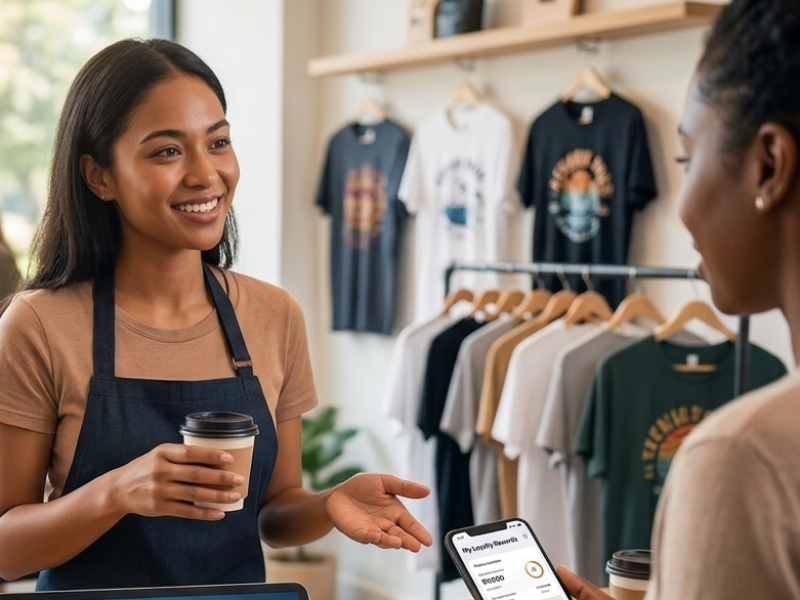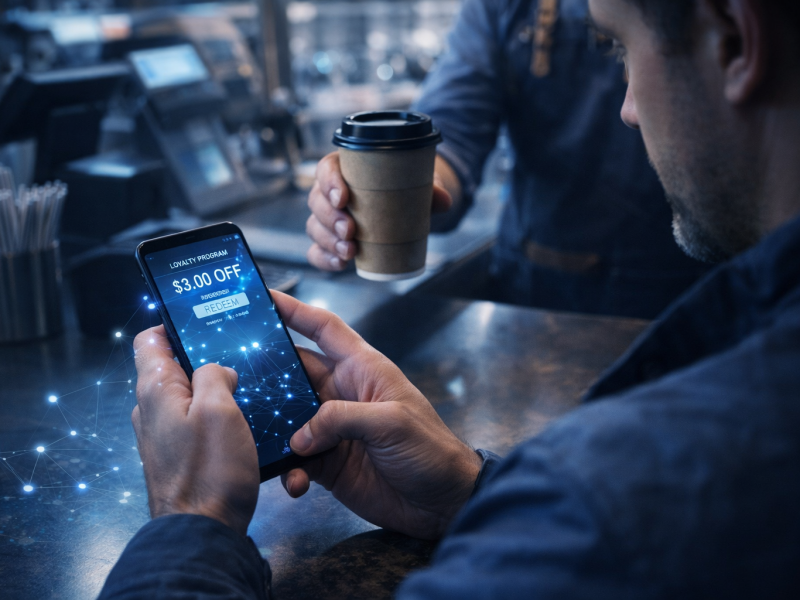
Increasing customer loyalty means moving buyers beyond one-off transactions and into a durable preference for your brand. Here's what to remember from this guide:
In today’s hyper-competitive business landscape, capturing a customer's attention for a single transaction is only the beginning. True sustainable growth comes from keeping that customer coming back. Loyalty programs have emerged as a critical engine for long-term retention, allowing brands to shift away from costly customer acquisition strategies and focus on maximizing the lifetime value of their existing audience. A well-designed relationship strategy builds a self-sustaining cycle of trust, engagement, and recurring revenue. In this guide, we will explore what loyalty truly means, how it differs from basic satisfaction, and dive into 6 actionable ways to increase customer loyalty using a structured loyalty program.
Increasing customer loyalty means moving a buyer beyond simple repeat purchases and building a deep-rooted emotional and transactional preference for your brand. While repeat purchases can happen out of habit, convenience, or a lack of better options, true customer loyalty implies that the consumer consistently chooses your brand over competitors, even if a rival offers a temporary discount. It means transforming casual buyers into vocal brand advocates through shared values, recognized value, and deep trust.
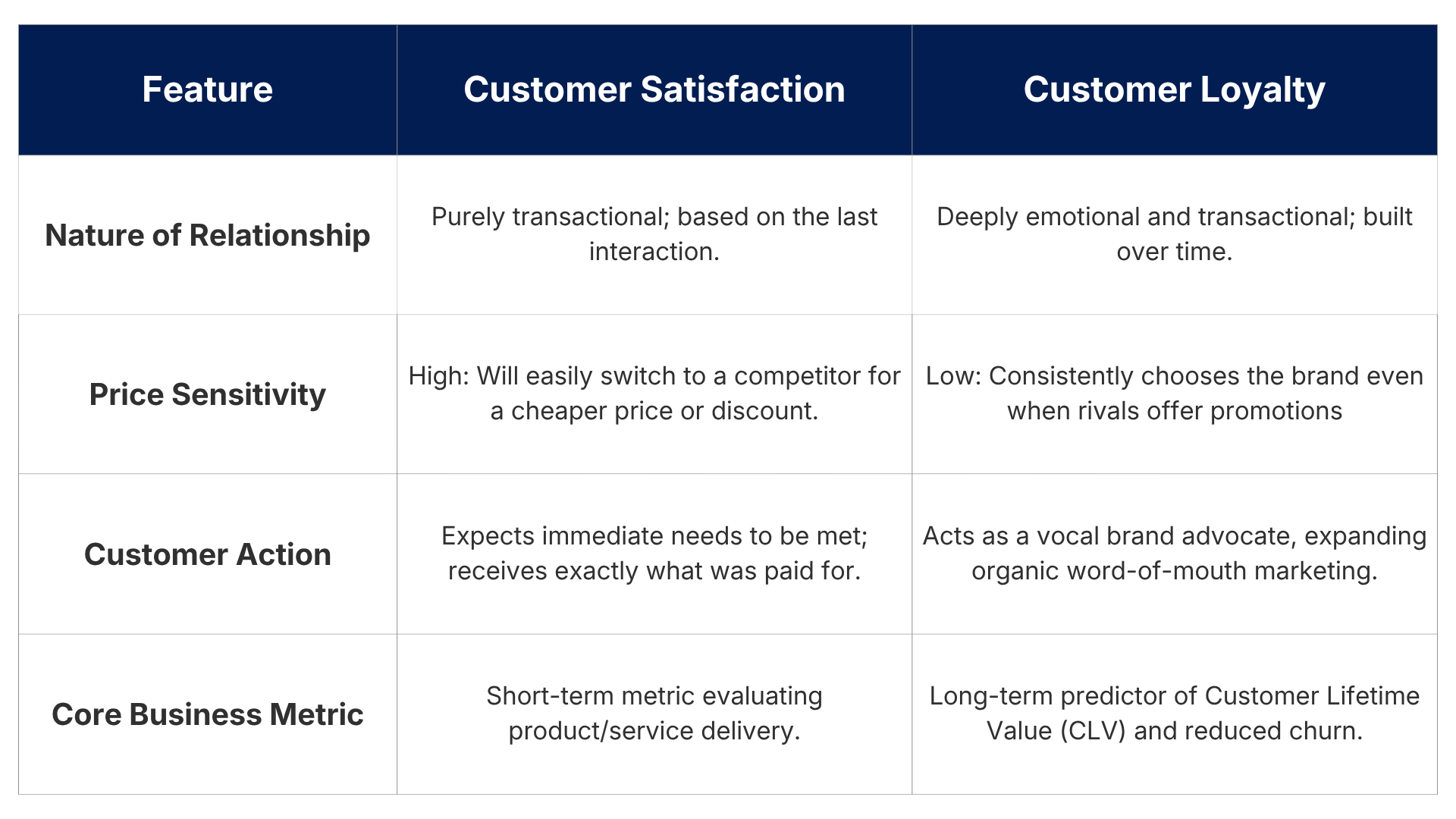
It is a common mistake to use customer satisfaction and customer loyalty interchangeably. Customer satisfaction is a foundational metric that measures whether a product or service met a buyer's immediate expectations. A satisfied customer got exactly what they paid for, but they are still highly price-sensitive and may easily switch to a competitor for a better deal.
Customer loyalty, on the other hand, represents an emotional bond. A loyal customer stays with your brand despite competitive offers because they feel a genuine connection and know they are valued over the long term.
If you want to move beyond basic satisfaction and build a robust retention engine, here is a clear execution framework.
To inspire loyalty, you must go beyond simply fulfilling a transaction. Delighting your customers means proactively anticipating their needs and surprising them with unexpected value. In a loyalty program, this could mean offering a surprise birthday gift, granting early access to a highly anticipated product release, or providing complimentary upgrades. When you consistently over-deliver on the brand promise, you create memorable, sensory experiences that customers are eager to return to and share with others.
Not all customers are the same, and they shouldn't be rewarded the same way. By implementing aspirational tier structures (e.g., Silver, Gold, Platinum), you provide VIP recognition to your most valuable buyers. Tiers motivate customers to increase their engagement and spend to unlock exponentially better perks. Recognizing your "Big Spenders" or "Regulars" with exclusive status directly boosts their Customer Lifetime Value (CLV) and ensures they feel their investment in your brand is genuinely appreciated.
Personalization is the cornerstone of modern loyalty. A loyalty program is essentially a data engine—every time a customer engages, they provide zero-party behavioral data. You must use this trove of data to tailor rewards to their specific lifestyle. Instead of sending generic discounts, offer targeted promotions based on their purchase history. Strengthening this data-to-rewards connection ensures that the customer feels uniquely understood, which significantly drives up cross-sell and conversion rates.
Friction destroys loyalty. Your program must be exceptionally easy to use across every touchpoint. If a customer can earn points online but cannot effortlessly redeem them at a physical cash register, the fragmented experience will cause frustration and program abandonment. Streamline the customer experience by ensuring omnichannel consistency. A seamless, unified journey makes participation feel effortless and natural.
Trust is the currency of loyalty. Building trust means delivering on your promises every single time. In the context of a loyalty program, this means having simple, transparent rules with no hidden fine print that might make a customer feel cheated during redemption. Furthermore, it requires treating their personal data with the highest security standards. When customers trust that your program is reliable and secure, their emotional loyalty to your brand deepens.
The "set-and-forget" mentality leads to program staleness. You must be present in your customers' lives with regular, relevant communication. Remind them of their point balances, notify them when they are close to unlocking a new tier, and introduce new gamified challenges or seasonal campaigns to keep the program fresh. The key is balance: insufficient communication makes members forget the program exists, while excessive, irrelevant communication feels like spam.
To understand the tangible impact of these strategies, consider these key industry statistics:
Leading brands across various industries have successfully leveraged structured programs to skyrocket their customer loyalty:
Running a program without tracking performance leads to blind spots. Ensure your efforts are actually increasing loyalty by monitoring these core metrics:
Increasing customer loyalty is the strongest long-term differentiation lever a brand has. The 6 ways covered in this guide (consistent delight, aspirational tiers, data-driven personalization, frictionless omnichannel experiences, trust through reliable rules, and balanced communication) work together to turn casual buyers into brand advocates.
Executing all six at scale requires infrastructure that handles complexity without adding manual overhead. Manual, spreadsheet-based management breaks down as programs grow, and staleness sets in when there is no easy way to test new campaigns or refresh mechanics.
If you are looking to run all six execution levers on one platform, Fielo Loyalty Copilot builds tailored program blueprints, automates sophisticated tiering rules, and helps engage customers proactively, reducing traditional design cycles by up to 70% while driving predictable growth.
Customer loyalty is a deep-rooted emotional and transactional preference for a specific brand, where customers consistently choose your products over competitors due to trust, positive experiences, and recognized value.
They shift consumer relationships from purely transactional exchanges to emotional connections by consistently rewarding behaviors, recognizing VIP value, and delivering personalized experiences based on consumer data.
The best ways include consistently delighting customers, utilizing VIP tiers for recognition, personalizing the experience with zero-party data, providing a frictionless omnichannel journey, building trust, and maintaining relevant communication.
While an agile platform can deploy a program in a matter of days, building genuine emotional loyalty takes time. Measurable changes in repeat purchase behavior and Customer Lifetime Value (CLV) typically become evident over a few quarters of consistent engagement.
Personalization is vital. Tailoring rewards and offers based on a customer's specific habits makes them feel uniquely understood, which research shows can lift conversion and cross-sell rates by 30% to 40%.
Yes. Modern, cloud-based SaaS loyalty platforms allow small and mid-market businesses to implement professional, scalable programs without requiring massive in-house IT development budgets.
Key metrics include the reward redemption rate, the active member rate, repeat purchase frequency, and overall Customer Lifetime Value (CLV).
Programs usually fail due to excessive complexity in their rules, irrelevant rewards, fragmented integration between physical and digital channels, poor communication, or a "set-and-forget" mentality that leads to program staleness.

.png)