
.png)

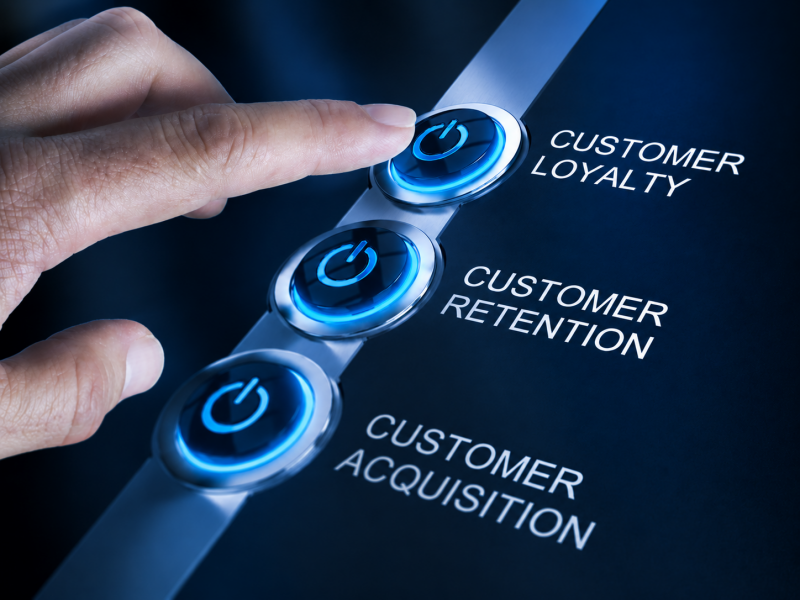
True consumer loyalty means treating your buyers as unique individuals rather than anonymous transactions. By leveraging data-driven personalization and automated platforms, brands can build engaging ecosystems that seamlessly connect online and offline touchpoints.
Ultimately, effective loyalty strategies transform casual shoppers into dedicated brand advocates, driving sustainable long-term revenue and robust business growth.
In today’s hyper-competitive market, securing a single transaction is no longer enough; brands must win their audience’s ongoing preference. True consumer loyalty goes far beyond a simple repeat purchase; it is an emotional and transactional bond that drives consistent profitability.
Whether you are designing a loyalty program for a large multinational enterprise or exploring customer loyalty for a small business, understanding the mechanics of human motivation is key. In this comprehensive guide, you will learn exactly what loyalty means, why it matters, the core differences from retention, effective strategies to build consumer loyalty, common pitfalls to avoid, and how to accurately measure your success.
What Is Customer Loyalty?
Customer loyalty is a deep-rooted preference for a specific brand, product, or service, driven by satisfaction, positive experiences, and an emotional connection. It means a customer chooses your brand consistently over competitors, even if a rival offers a lower price.
Cultivating strong brand customer loyalty requires treating your customers as unique individuals rather than "perfect strangers". It involves gathering zero-party data to truly understand their desires and consistently delivering value that aligns with their lifestyle. Ultimately, strong consumer brand loyalty turns regular buyers into vocal advocates who champion your business to their peers.
Why Customer Loyalty Is Important for Businesses
Consumer Loyalty is no longer just a marketing add-on; it is a central driver of profitability and business resilience. Investing in the right customer loyalty services and programs protects margins and fuels exponential growth.
- Behavioral Influence: A Bain & Company/ROI Rocket survey revealed that 63% of consumers make buying decisions specifically based on the loyalty programs they participate in
- Massive Financial Returns: In the Global Customer Loyalty Report 2026, data shows that companies with effective loyalty programs report an average ROI of 5.3x
- Increased Conversion and Cross-Selling: By leveraging loyalty data to personalize offers, brands can achieve a 30% to 40% increase in conversion and cross-sell rates, according to Boston Consulting Group research
- Executive Confidence and Strategic Investment: Proving their worth as a key tool for retention and market differentiation, executives have increased their loyalty program budgets
- Brand Advocacy and Long-Term Trust: Moving beyond simple transactional perks creates deep emotional connections, transforming satisfied members into active brand advocates who are far more likely to refer others and pay a premium
Customer Loyalty vs Customer Retention
While often used interchangeably, understanding the difference is crucial when evaluating strategies for maintaining customer loyalty.
.png)
Types of Customer Loyalty
To effectively improve customer loyalty, businesses must understand the different ways customers connect with their brand:
- Transactional Loyalty: Driven entirely by economic benefits like discounts, rebates, and points. It is effective for short-term acquisition but can be fragile if competitors offer better financial deals.
- Emotional Loyalty: Built on trust, shared values, and highly personalized experiences. Customers stay because they feel a genuine, recognized connection to the brand.
- Rational Loyalty: Based on logic and convenience. Customers remain loyal because the perceived value of the rewards strongly correlates with the time and money required to obtain them.
- Advocacy Loyalty: The pinnacle of customer relationships, where highly satisfied buyers actively promote your brand to friends and family through credible, peer-driven recommendations.
Strategies to Build Customer Loyalty
If you want to know how to build customer loyalty, you must move past static, "one-size-fits-all" approaches. Here are the top ways to increase customer loyalty:
1. Leverage Personalization and Data
Generic offers are ignored. The best strategies to improve customer loyalty rely on zero-party data to segment your audience (e.g., Big Spenders vs. Regulars). According to Boston Consulting Group, personalizing offers can increase conversion and cross-sell rates by an impressive 30% to 40%.
2. Implement Gamification Mechanics
If you want to increase customer loyalty, make the experience fun. Use leaderboards, badges, and progress streaks. Euromonitor International reports that 27% of Gen Z find current programs "not fun," making gamification one of the most vital ways of creating customer loyalty.
3. Create Aspirational Tiers
Building consumer loyalty is about recognition. Use tiered structures (e.g., Silver, Gold, Platinum) to foster exclusivity. When customers reach higher tiers, they unlock exponentially better perks, motivating continuous engagement.
4. Provide Seamless Omnichannel Experiences
Integrate web, mobile app, and physical store interactions. If benefits are only offered online but cannot be redeemed at the physical point of sale, the experience becomes fragmented and frustrating. Omnichannel consistency is one of the essential strategies to build customer loyalty.
5. Align with Customer Values
One of the top ways to develop customer loyalty is to offer rewards that align with lifestyle choices. Blend monetary discounts with experiential perks—like early product drops or VIP events—to cultivate a genuine emotional bond.
Common Challenges in Building Customer Loyalty
Even with good intentions, many initiatives fail. The most common pitfalls include:
- Excessive Complexity: Confusing rules and hidden fine print frustrate users, making them feel cheated and destroying trust.
- Staleness: A "set-and-forget" mentality leads to boring programs. Without new challenges, engagement drops rapidly.
- Lack of Segmentation: Failing to tailor journeys and rewards to individual customer preferences.
- Faulty Channel Integration: Not allowing customers to seamlessly earn and redeem across all touchpoints.
How to Measure Customer Loyalty
To ensure your customer loyalty program is working effectively, track these key metrics:
- Redemption Rate: The critical percentage of earned rewards that are actually claimed, indicating whether your rewards are meaningful and attainable.
- Active Member Rate: The portion of enrolled users who transact or engage within a specific timeframe, filtering out vanity sign-ups.
- Repeat Purchase Frequency: How often incentivized members return to buy compared to non-participants.
- Customer Lifetime Value (CLV): The total incremental financial return an average customer generates over their entire relationship with your brand.
Conclusion
Building customer loyalty requires moving far beyond simple transactional discounts to foster deep emotional connections and shared brand values. By combining gamification, aspirational VIP tiers, and a seamless omnichannel experience, businesses can create the highest levels of ongoing engagement.
Personalization remains critical; tailoring rewards based on behavioral data significantly increases cross-sell conversions, while avoiding excessive complexity and staleness prevents program abandonment.
Ultimately, success must be measured through real-time KPIs like redemption rates and Customer Lifetime Value. To develop this level of consumer loyalty efficiently, modern brands rely on agile platforms like Fielo. With Fielo’s AI-native Loyalty Copilot acting as a personal Loyalty Strategist, companies can co-create tailored blueprints and automate complex rules, reducing program design cycles by up to 70%.
Frequently Asked Questions
What is customer loyalty?
It is a deep-rooted emotional and transactional preference for a specific brand, where customers consistently choose your products over competitors due to trust, positive experiences, and recognized value.
How do you build customer loyalty?
You build it by deeply understanding your target audience, delivering personalized offers, maintaining clear communication, and consistently rewarding their engagement through well-structured programs.
What are the best ways to improve customer loyalty?
The best ways to improve customer loyalty include implementing gamification, creating aspirational VIP tiers, offering meaningful experiential rewards, and ensuring a seamless omnichannel experience.
How do you measure customer loyalty?
You can measure it by tracking key performance indicators such as the reward redemption rate, the active member rate, repeat purchase frequency, and overall Customer Lifetime Value (CLV).
What is the difference between customer loyalty and customer retention?
Retention simply measures keeping a customer returning, which can happen out of habit or lack of options. Loyalty implies a deep emotional preference, where the customer actively advocates for your brand and ignores competitor discounts.
How do small businesses build customer loyalty?
Small businesses can build a loyalty program successfully by utilizing agile, cloud-based SaaS platforms to launch simple points or tiered programs that reward their most frequent local buyers without requiring massive IT budgets.
Which strategies work best in the service industry?
Customer loyalty in service industry sectors thrives on experiential rewards. Rather than just discounts, offering VIP status, complimentary upgrades, early access, and personalized recognition works best to drive long-term emotional fidelity.
How long does it take to build customer loyalty?
While deploying an automated platform can take just days, building true emotional loyalty takes time. Measurable changes in repeat purchase behavior and lifetime value typically become evident over a few quarters of consistent value delivery.