.png)


The era of partner exclusivity is over in today’s market. Manufacturers often fall into the trap of relying solely on short-term SPIFFs to drive immediate sales spikes. While these tactics can clear inventory quickly, they fail to build a sustainable, loyal relationship with distributors. Without long-term programs, channel partners remain loosely coupled, treating your brand as interchangeable with competitors. To secure mindshare and drive consistent revenue, manufacturers must pivot toward comprehensive, long-term distributor incentive programs that reward ongoing education, collaborative marketing, and sustained performance.
Types of Long-Term Distributor Incentive Programs
To build a resilient channel partner incentive program, manufacturers should consider deploying a mix of these six long term incentive plan examples:
- Tiered Volume Rebates: Instead of flat discounts, these programs offer increasing rebate percentages as distributors hit higher sales thresholds over a quarter or year. This structure keeps partners motivated to consolidate their purchases with your brand.
- Growth-Based Incentives: These reward partners not just for total volume, but for year-over-year revenue growth. It levels the playing field, allowing smaller, high-growth dealers to earn significant rewards alongside established distributors.
- Training and Certification Programs: Knowledge is power. By incentivizing learning—such as completing product certifications—you ensure partners can effectively articulate your product's value, which leads to better sales outcomes and stronger relationships.
- Co-Marketing MDF Programs: Market Development Funds (MDF) empower distributors to customize and distribute co-branded marketing assets. Rewarding partners for executing approved marketing campaigns drives local demand and mutual success.
- Partner Loyalty Points Programs: Operating much like a consumer rewards program, partners earn points for a variety of behaviors—from deal registration to survey completion. These points can be redeemed for merchandise, travel, or business-enhancing rewards.
- Hybrid SPIFF plus LTIP Models: This approach balances immediate gratification with long-term retention. It combines tactical, short-term SPIFFs for immediate product pushes with a broader LTIP structure that builds cumulative rewards and elite tier status over time.
How to Structure an LTIP for Distributors and Dealers
Structuring an effective long-term dealer incentive program requires a strategic, data-driven approach. First, align your program goals with broader business objectives, such as expanding into new markets or increasing average order value. Next, define the specific behaviors required to meet those goals, moving beyond purely transactional metrics. Research from the Incentive Research Foundation indicates that companies generate 44% better channel performance by incentivizing positive behaviors and outcomes.
Incorporate "learn and earn" tracks that reward partners for completing training before they even make a sale. Furthermore, a Bain & Company survey in the U.S. underscores the power of behavioral influence, revealing that 63% of consumers make decisions based on loyalty initiatives—a dynamic mirrored in channel partnerships where incentive structures heavily dictate vendor preference. Establish clear, attainable tiers that create an aspirational journey, and ensure your program is backed by a robust, automated technology platform that integrates natively with your CRM.
Real-World Distributor Incentive Program Examples
Looking at real-world long term incentive plan examples reveals how top manufacturers drive engagement:
- IBM Partner Advantage Incentive (formerly Know Your IBM): This globally recognized partner incentive program is a prime example of an LTIP that heavily emphasizes education. It rewards channel partners not just for selling, but for completing training modules and certifications, directly linking educational engagement with increased sales performance.
- HP Amplify: HP replaced its traditional, volume-only channel partner incentive program with HP Amplify. This tiered model rewards partners for value-added capabilities, data collaboration, and digital engagement. By incentivizing partners who invest in omnichannel experiences, HP aligns its dealer incentive program with modern, long-term market demands.
Common Mistakes Manufacturers Make in Distributor Incentive Programs
When building a distributor incentive program, manufacturers frequently fall into several well-documented traps.
- The most common mistake is excessive complexity; if the earning rules are confusing or redemption requires navigating hidden fine print, partners will quickly lose trust and disengage.
- Another critical error is staleness—treating the program as a "set-and-forget" initiative. Without introducing new gamified challenges or fresh rewards, participation drops rapidly.
- Additionally, a lack of segmentation leads to generic, impersonal offers that fail to motivate diverse partner types.
- Faulty channel integration is also a major pitfall; if the digital experience is fragmented, partners will abandon the effort.
- Finally, relying on manual spreadsheets causes high error rates, limits scalability, and makes real-time ROI measurement virtually impossible.
How Fielo Can Help Strengthen Long-Term Distributor Incentive Programs
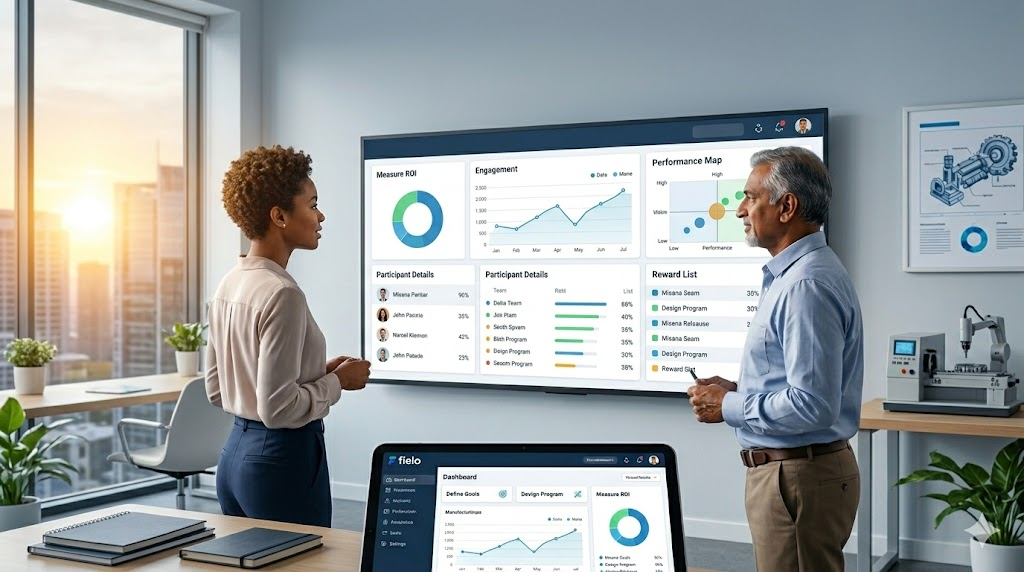
Fielo’s Channel Performance suite provides the unified platform needed to run tiered LTIPs, MDF programs, and rebate management from a single system. By combining incentives automation, a Learning Management System (LMS), and Digital Asset Management (DAM) into one seamless, Salesforce-native or open-cloud architecture, Fielo eliminates the need for manual spreadsheets. Its AI-native engine, Fielo Loyalty Copilot, accelerates program design and continuously optimizes rules for maximum impact.
Book a demo to see how Fielo powers long-term channel incentive programs
Conclusion
In an era where partner loyalty is increasingly difficult to secure, a well-designed distributor incentive program is an indispensable tool for mutual growth. Shifting away from short-sighted SPIFFs toward comprehensive long-term incentive plans allows manufacturers to foster deeper collaboration, improve product knowledge, and drive sustainable revenue. By structuring clear tiers, rewarding behavioral milestones like training, and utilizing an automated platform like Fielo, manufacturers can transform their dealer networks from passive sellers into dedicated, high-performing brand advocates.
Frequently Asked Questions
What is a distributor incentive program?
A distributor incentive program is a structured B2B marketing strategy designed to motivate and reward channel partners (distributors) for specific behaviors, such as hitting sales targets, completing product training, or executing marketing campaigns.
What is a long-term incentive plan (LTIP) in channel management?
An LTIP is a multi-month or multi-year strategy focused on sustainable growth rather than quick, transactional wins. It typically utilizes tiered structures, cumulative points, and behavioral milestones to build deep, lasting loyalty between the manufacturer and the partner.
How is a dealer incentive program different from a distributor incentive program?
While similar in structure, they target different levels of the supply chain. A distributor program focuses on wholesalers buying in bulk directly from the manufacturer, whereas a dealer incentive program targets the retail or localized businesses that sell directly to the end-user.
What are the best long-term incentive plans for manufacturers?
The most effective long term incentive plan examples include tiered volume rebates, growth-based revenue incentives, training and certification rewards, and co-marketing (MDF) initiatives that equip partners to sell more effectively.
How do you structure a tiered distributor rebate program?
A tiered program is structured by establishing baseline sales thresholds. As partners surpass these targets, they unlock higher rebate percentages or elite status levels, ensuring that top performers are continuously motivated to consolidate their spending with your brand.
What is the difference between a SPIFF and an LTIP?
A SPIFF (Sales Performance Incentive Fund) is a short-term, tactical incentive used to drive immediate sales for a specific product. An LTIP is a strategic, ongoing program designed to foster holistic partner engagement, education, and long-term brand loyalty.
How do you measure ROI on a channel partner incentive program?
ROI is measured by tracking active member engagement, training completion rates, year-over-year revenue growth, and the incremental sales lift against the cost of the rewards and platform.
How long should a distributor incentive program run?
While short-term SPIFFs may last a few weeks, a true LTIP should run continuously or on an annual basis, featuring quarterly milestones to keep partners engaged without letting the program become stale.
What technology do manufacturers use to manage LTIPs?
Manufacturers use scalable platforms like Fielo’s Channel Performance suite, which combines incentives automation, rebate management, and learning management systems into a single, cloud-based architecture.
What are common reasons distributor incentive programs fail?
Programs typically fail due to excessive rule complexity, meaningless rewards, poor communication, a lack of segmentation, and reliance on manual, error-prone spreadsheets instead of automated software