Version control tracks ensures the latest assets are used
Rule-driven workflows automate approvals and feedback
Real-time compliance for legal and brand standards globally
Performance analytics
Track asset usage, campaign KPIs, and partner performance in real-time. Monitor downloads, customizations, and distributions with dashboards. Gain insights to optimize content strategy and measure marketing impact.
See how Fielo lets partners customize and distribute co-branded assets at scale
Why companies choose Fielo Digital Asset Management
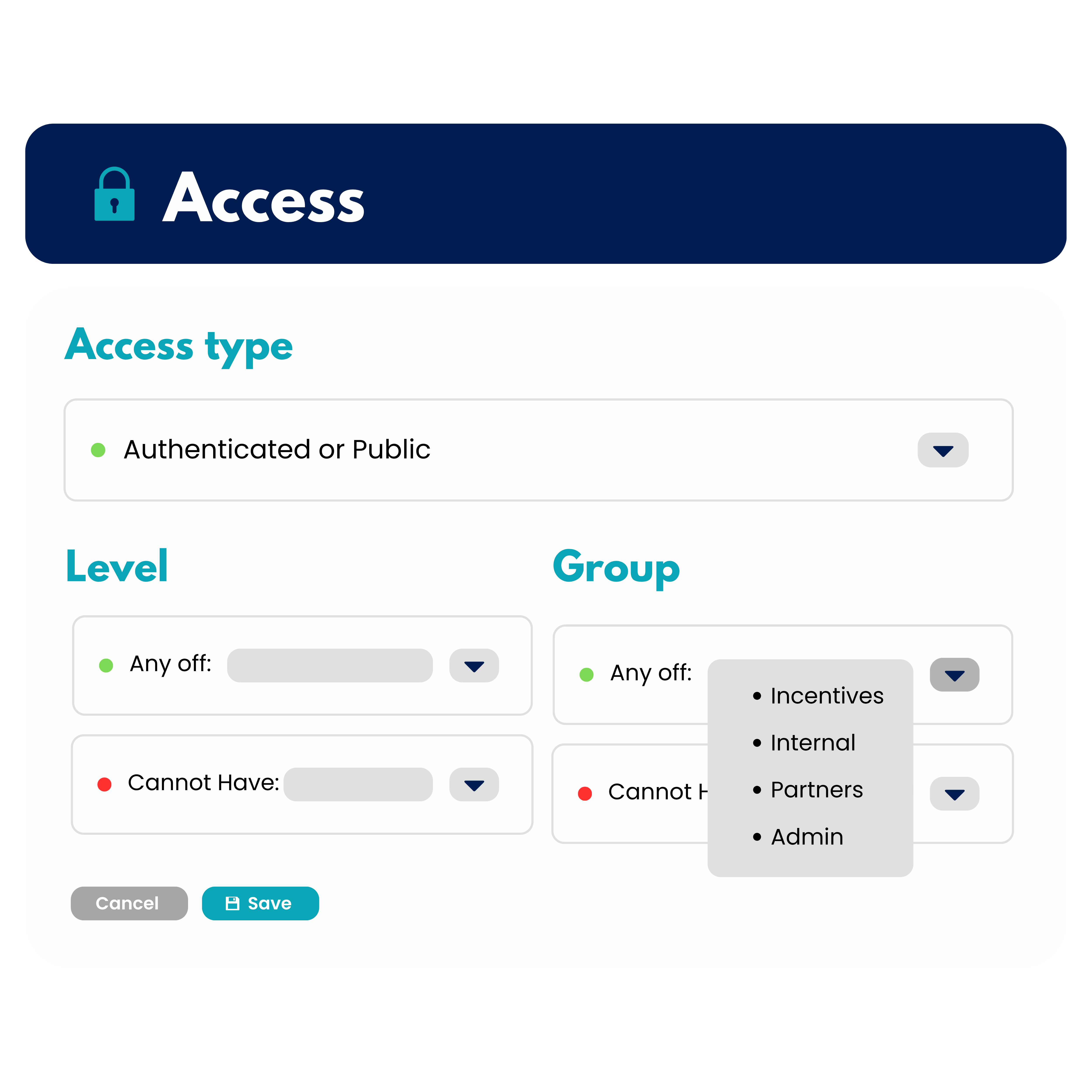
Supports GDPR and other legal requirements and brand standards through permission controls, approval workflows, and compliance monitoring.
Cuts manual effort and operational overhead by leveraging intelligent automation, governance policies, and no-code tools for seamless execution.
Drives revenue growth through personalized, trackable content repurposing across omnichannel campaigns and engagement analytics.
Streamlines asset management to boost sales velocity and partner productivity through centralized and automated content discovery.
Frequently asked questions
What is digital asset management?
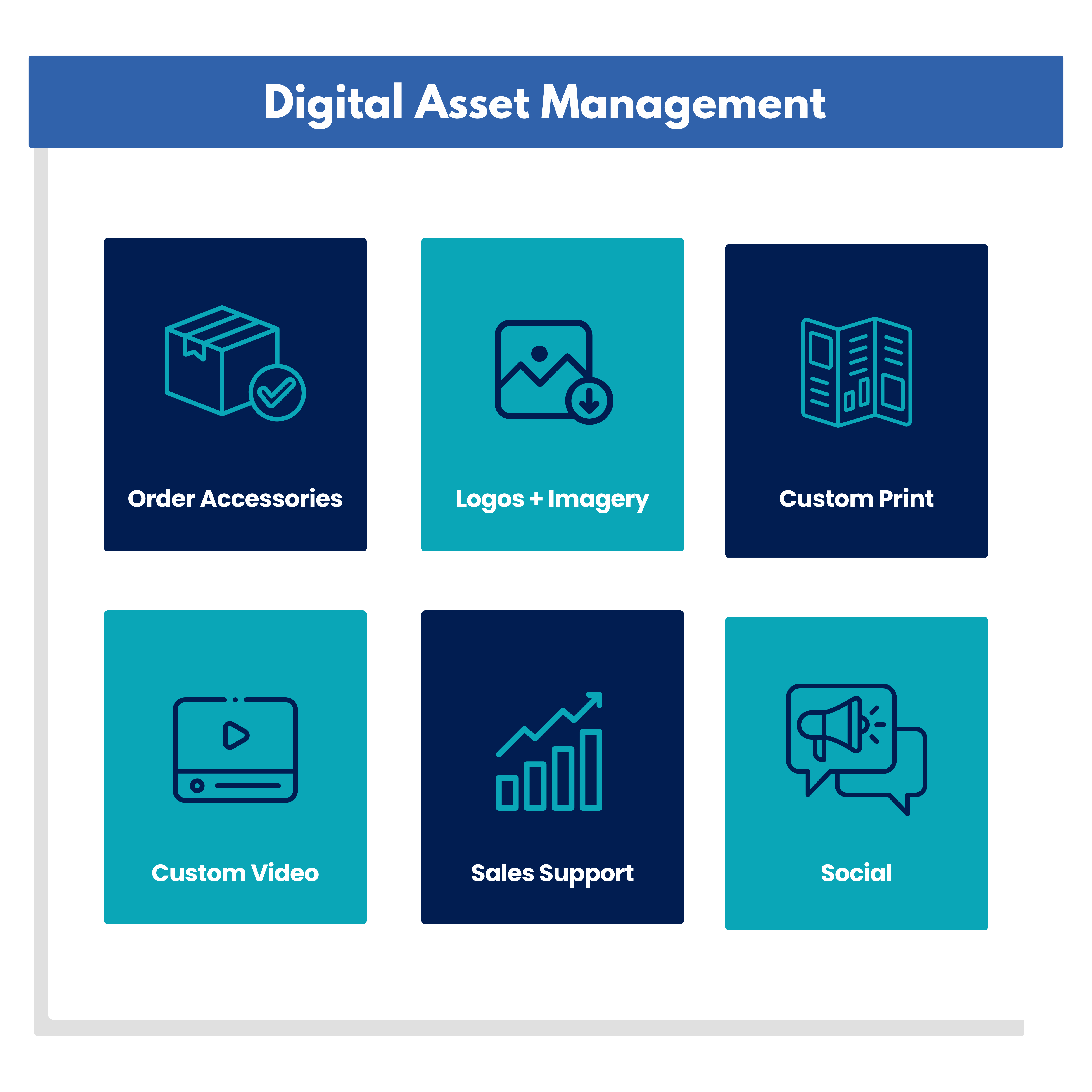
Digital asset management is a central system for storing, organizing, and distributing brand assets (images, videos, logos, packaging files, presentations). It gives teams and channel partners one secure place to find and use approved marketing content at scale.
How does digital asset management help channel partners?
Digital asset management tools work as a single source of truth for marketing assets, while supporting every stage of the content lifecycle. It gives distributors, dealers, and resellers one place to find approved marketing materials, product images, and sales collateral. This cuts search time and keeps brand representation consistent.
What are the key features of a digital asset management platform?
Good digital asset management platforms will: 1. Centralize all brand assets in one library. 2. Enable partners to customize approved templates. 3. Control access with role-based permissions. 4. Track asset usage and campaign performance.
What is the difference between digital asset management and software asset management?
The names are similar, but the two solve completely different problems. Digital asset management (DAM) deals with content: images, videos, datasheets, presentations, logos and any other marketing material your teams and partners use. Its job is to keep that content organized, on-brand and easy to find, customize and distribute. Software asset management (SAM) is an IT discipline. It tracks the software licenses a company owns, who uses them and whether the company is compliant with vendor agreements. Its main goal is cutting license costs and avoiding audit problems. In short, DAM helps marketing and channel teams get the right content into the right hands, and SAM helps IT and finance keep software spending under control.
How does digital asset management software improve asset tracking?
Without a DAM, files end up spread across email threads, shared drives and partners’ desktops, and nobody really knows which version is current or who is using what. A DAM puts everything in one library. Assets are tagged with metadata, so they’re easy to search, and version control means partners always get the latest approved file instead of last year’s datasheet. Tracking also covers how assets are used after they’re published. Dashboards show downloads, customizations and distributions by asset and by partner. That tells you which content actually supports sales and which pieces nobody opens. Approval workflows and role-based permissions add a record of who changed what and when, which helps a lot with brand and legal compliance across regions.
How is digital asset management different from brand asset management software?
Brand asset management software focuses on brand-specific files like logos, style guides, and templates. Digital asset management is broader, covering all digital media (images, videos, documents, collateral). Most modern platforms combine both capabilities in one system.
Can channel partners customize marketing assets themselves?
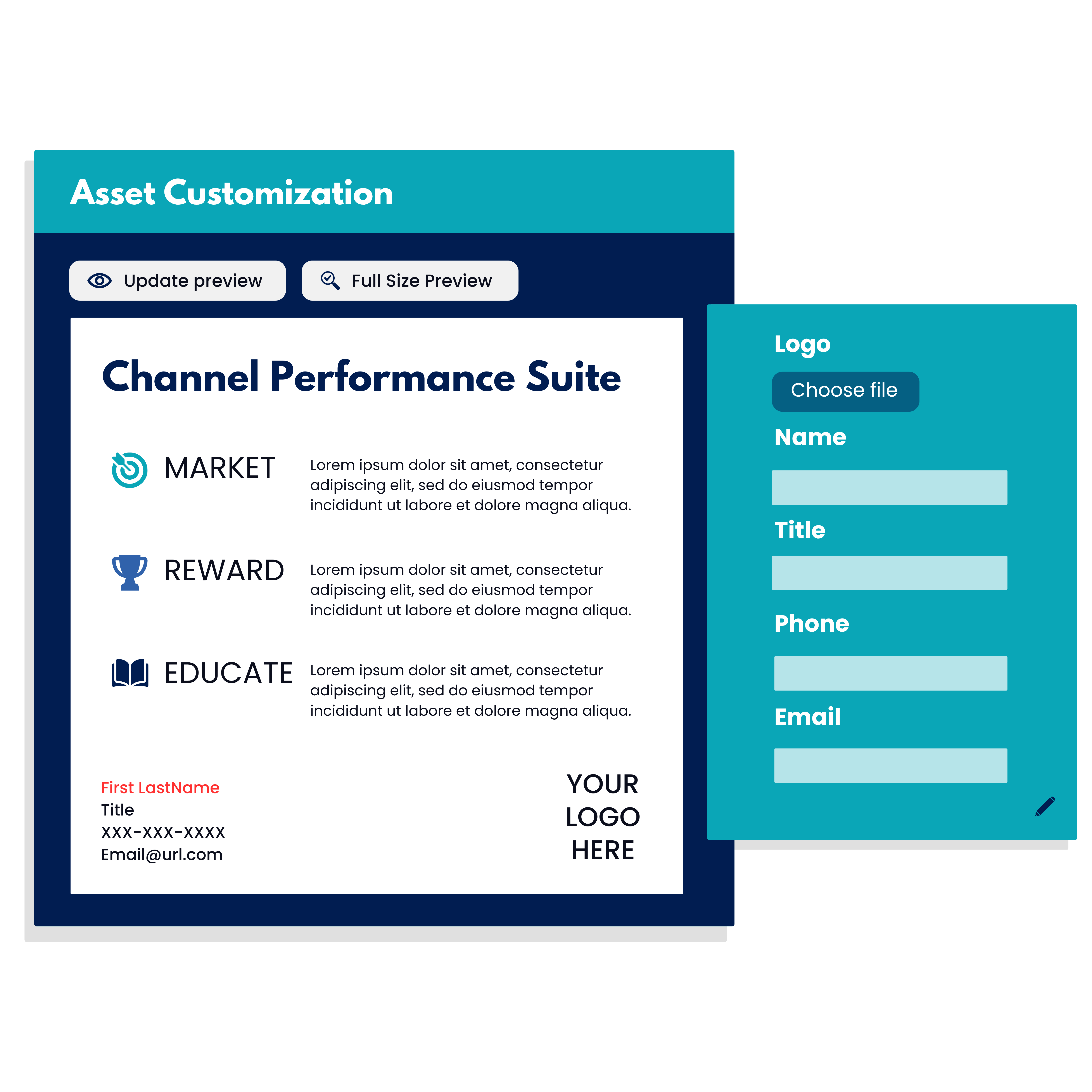
Yes. Most digital asset management platforms let partners co-brand or customize approved templates within brand guidelines.
How does the approval workflow work in digital asset management?
The digital asset management process uses rule-driven workflows to automate approvals and feedback. Role-based permissions and version control ensure only the latest, brand-approved assets reach partners.
Can digital asset management integrate with our existing tech stack?
Yes. Most digital asset management tools integrate with Salesforce, Adobe Creative Cloud, WordPress, PIM systems, and other common marketing platforms.
How is asset usage tracked and reported?
Digital asset management platforms track downloads, views, and shares at the asset and user level, showing which assets are used most and by which partners.
What types of assets can be managed in a DAM system?
Digital asset management system software handles every common media type: images, videos, PDFs, spec sheets, packaging files, presentations, logos, fonts, brand guidelines, and localized versions for different regions.
How much does digital asset management software cost?
Digital asset management software pricing depends on your user count, storage volume, integrations, and workflow complexity. Contact Fielo for custom pricing based on your channel program's specific needs.
Ready to scale marketing asset distribution effortlessly?
Talk to a Fielo expert and see how Digital Asset Management can empower partners with co-branded content.