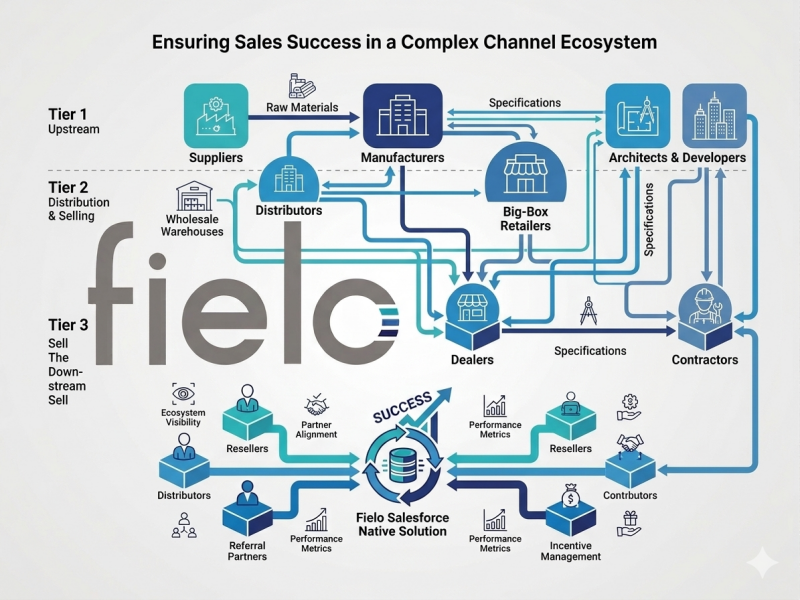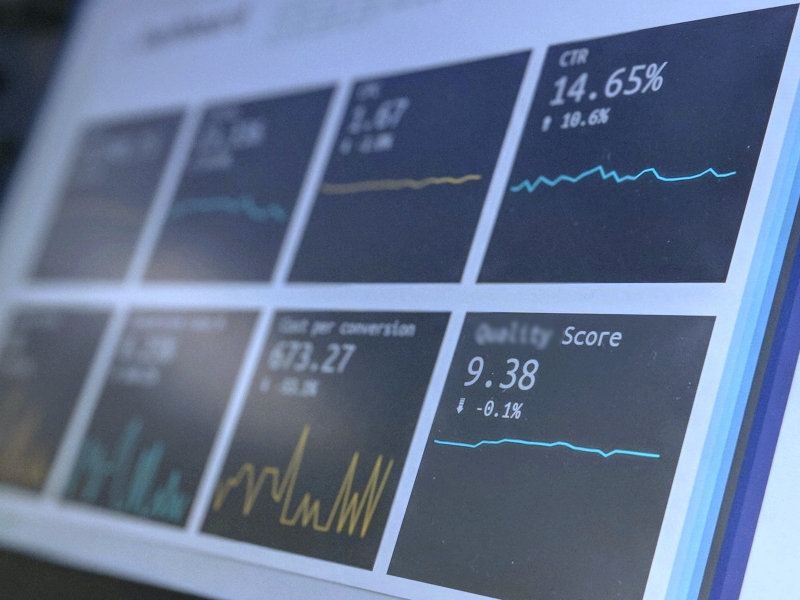
Sales performance metrics are specific, quantifiable data points used to evaluate the efficiency, behaviors, and overall effectiveness of a sales team throughout the entire sales cycle. Here's what to remember from this guide:
To consistently hit revenue goals, organizations must track the incremental steps that lead to a closed sale, rather than just top-level income. Relying on spreadsheets creates data silos and scales poorly.
By monitoring specific, actionable metrics and incentivizing the right daily behaviors through an integrated enablement platform, companies can trace exactly which actions produce revenue and transform average sellers into top performers.
In today’s highly competitive B2B and B2C markets, guessing what drives your revenue is a recipe for failure. To build a predictable and scalable revenue engine, organizations must track the right sales performance metrics. Whether you are managing an internal corporate team or a diverse network of channel partners, understanding these data points is absolutely crucial. In this guide, you will learn what these metrics are, why they matter, the difference between general metrics and KPIs, the specific indicators you need to track (including retail sales performance metrics), and the best practices to evaluate and improve your overall sales output.
Sales performance metrics are specific data points used to measure the efficiency, activity, and overall effectiveness of an individual sales representative, a sales team, or a company's broader sales strategy. They provide a clear, quantifiable window into how well your team is executing the sales process at every stage of the funnel. Rather than simply looking at the total money earned at the end of the quarter, these metrics track the incremental steps—such as calls made, deals registered, and training modules completed—that ultimately lead to a closed sale.
Sales organizations are under growing pressure to do more with fewer resources. Quota expectations increase every year, buyer journeys grow more complex, and the margin for error narrows. Tracking these metrics matters because it connects daily sales enablement activities to tangible revenue outcomes.
Strong sales performance indicators show leaders exactly where activity converts to pipeline and where it stalls. Industry statistics highlight the growing urgency of data-driven performance management:
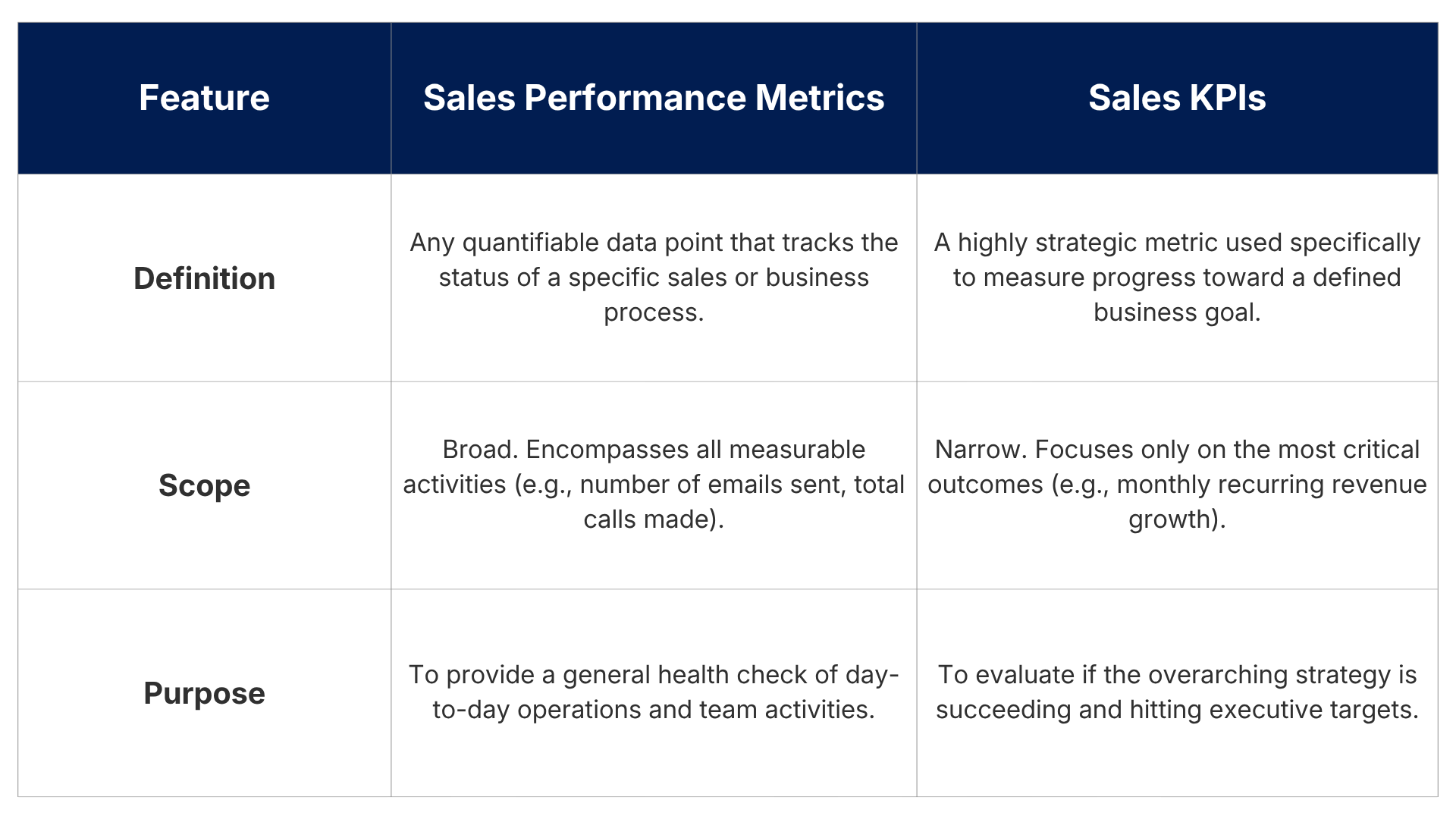
While often used interchangeably, metrics and KPIs (Key Performance Indicators) serve slightly different functions in evaluating sales performance.
Common sales KPI examples include win rate, pipeline velocity, and average deal size, while broader metrics might cover activity counts or engagement rates.
To gain a clear picture of your team's success, you must measure the behaviors that lead to revenue. The most useful sales metrics to track are the ones that trace directly from activity to closed deals.
Evaluating sales performance requires moving away from tracking isolated events and instead connecting behaviors directly to pipeline metrics. One persistent challenge in sales management is attribution—measuring training completion rates without asking whether the investment generated more revenue than it cost.
When your training, incentives, and CRM data share the same architecture, evaluation becomes accurate. It becomes possible to compare the win rates of reps who completed specific enablement programs against those who did not, and track how their training correlates with their average deal size. Real-time analytics allow you to trace the impact of specific actions on onboarding speed and quota attainment.
In the B2B and B2C retail sectors, evaluating performance requires monitoring slightly different transactional indicators. Key retail sales performance metrics include:
Tracking the right sales performance metrics is essential for converting isolated sales efforts into a predictable, scalable revenue engine. Businesses must focus their measurement on true revenue impact—such as win rates and pipeline velocity—rather than just vanity metrics like training completion. Relying on spreadsheets for performance evaluation creates dangerous data silos, requires immense manual effort, and is fundamentally unscalable.
Instead, evaluating sales performance is vastly more effective when your learning tools, gamification, and incentives are unified within a single architecture. If you are looking to unlock revenue growth through smart account planning and execution, Fielo's Sales Performance suite integrates seamlessly into your Salesforce org to track and incentivize the exact behaviors that matter most.
They are quantifiable data points used to track and evaluate the efficiency, behaviors, and overall success of a sales team or individual representative throughout the sales cycle.
Sales metrics track the status of all broad, day-to-day business processes, whereas KPIs (Key Performance Indicators) are a specific, narrow subset of metrics used to measure progress against strategic, high-level business goals.
You evaluate it by moving beyond isolated activity tracking and connecting daily behaviors (like training completion or deal registration) directly to CRM revenue metrics, such as win rates and average deal size.
The most critical metrics include win rates, pipeline velocity, average deal size, lead conversion rates, and the closed deals ratio per sales representative.
These are specific indicators used in retail environments, such as average daily items sold, point-of-sale (POS) engagement, and average revenue growth per merchant.
Performance should be monitored continuously using real-time analytics dashboards, allowing managers to conduct weekly or monthly reviews to proactively adjust strategies and prevent missed quotas.
Integrated sales enablement platforms and CRM-native solutions (like Fielo) are the best tools, as they automatically connect training, incentives, and pipeline data without the errors associated with manual spreadsheets.
By using metrics to identify bottlenecks, you can deploy targeted gamification and behavioral incentives. Rewarding reps for completing product certifications or hitting specific pipeline milestones ensures continuous development and increased revenue

.png)