Digital Asset Management (DAM) is the strategy and cloud-hosted technology used by organizations to centrally store, organize, find, and distribute digital files from a secure online library. Here are key points to remember from this article:
In today’s hyper-connected, content-driven world, modern businesses produce an overwhelming amount of digital content. From marketing brochures and product images to social media videos and sales presentations, keeping track of these files has become a massive logistical hurdle. Managing digital assets is a growing challenge because relying on scattered folders, localized hard drives, or basic cloud storage often leads to lost files, outdated content, and inconsistent brand messaging.
To solve this, businesses are increasingly turning to dedicated digital asset management platforms. In this complete guide, you will learn exactly what this technology is, how the core process works, the key components of a robust system, essential best practices, and how these platforms are uniquely positioned to transform your channel sales enablement and marketing strategies.
Digital asset management (DAM) refers to the strategy and technology used by organizations to centrally store, organize, find, retrieve, and distribute their digital files. These assets typically include images, videos, audio files, presentations, datasheets, PDFs, and emails.
An effective digital asset management system goes far beyond simple file storage. It acts as a single source of truth for all brand content, ensuring that both internal teams and external partners have easy access to the most up-to-date, approved marketing materials. By utilizing rich metadata and tagging, an asset digital management software makes searching for specific content instantaneous, significantly boosting team productivity.
As companies scale, the sheer volume of digital content grows exponentially. Without structured digital asset management programs, employees waste countless hours searching for files or recreating assets that already exist.
Implementing strong digital asset management solutions is critical for several reasons:
To truly empower teams and partners to create branded content that drives sales, a modern DAM platform typically features several key components:
1. Centralized Asset Hub
This is the secure online library where all marketing assets are housed. It utilizes metadata grouping and tagging to allow for quick search and retrieval.
2. Asset Customization Tools
Modern digital asset management software provides intuitive, step-by-step tools that let users personalize content easily. Through pre-defined templates, users can customize assets for their specific needs while automatically maintaining strict brand guidelines.
3. Governance & Permissions
To keep sensitive content secure, platforms use role-based access controls. Rule-driven workflows automate approvals, while version control ensures that only the latest, approved assets are utilized.
4. Performance Analytics
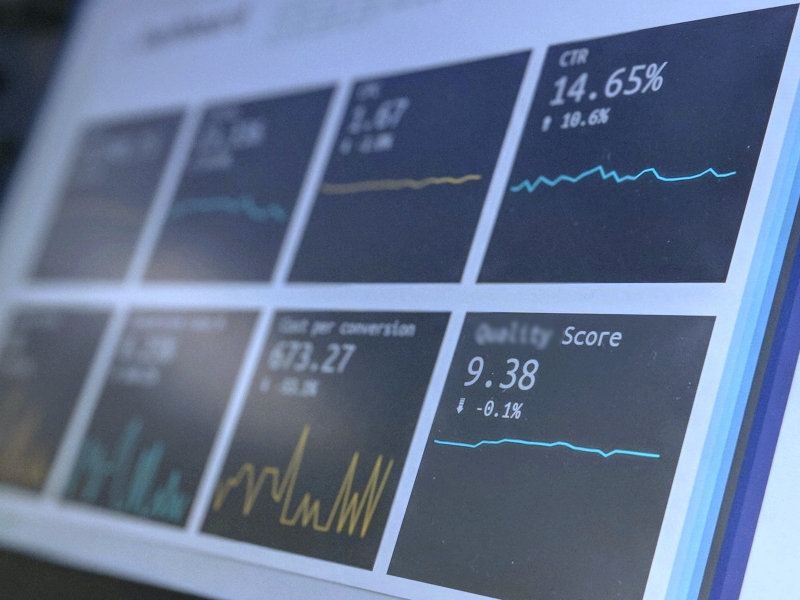
Top-tier platforms feature dashboards that track asset usage, monitor downloads and customizations, and measure campaign KPIs in real-time. This helps brands gain insights into their content strategy and measure marketing impact.
The digital asset management process involves a structured lifecycle for every piece of content created by a brand.
When evaluating platforms, businesses generally choose between two models:
To maximize the value of your software investment, it is essential to follow digital asset management best practices:
One of the most powerful use cases for DAM is within channel sales. Brands rely heavily on distributors, resellers, and agents to sell their products, but managing these loosely coupled networks is notoriously difficult.
In this context, digital asset management allows companies to centralize, customize, and distribute co-branded marketing assets at scale. Instead of emailing large PDF attachments or relying on generic portals, brands can provide an intelligent hub where partners log in, access the latest campaigns, and use intuitive tools to easily add their own logos and localized contact information. This streamlines asset management to drastically boost sales velocity and partner productivity, all while ensuring 100% brand and legal compliance globally.
A powerful digital asset management strategy is the backbone of any successful modern marketing and sales operation. It eliminates the chaos of scattered files, empowers your teams with customizable content, and provides the vital analytics needed to measure success.
If you are looking to elevate your partner networks, Fielo’s Channel Performance suite includes a robust Digital Asset Management module specifically designed to handle these challenges. By combining centralized hubs with no-code customization tools and real-time governance, Fielo cuts manual effort and helps you drive revenue through personalized, trackable content.
It works by providing a secure, centralized online library where files are uploaded, tagged with metadata, and protected by role-based access. Users can easily search the database, customize pre-defined templates, and distribute content across channels while the software tracks usage and performance analytics.
Basic cloud storage (like a shared drive) only holds files. A DAM system is an active marketing engine that provides intuitive tools for asset customization, enforces brand guidelines via templates, automates approval workflows, and tracks campaign KPIs and asset performance.
It is a cloud-hosted version of DAM software delivered as a service. This means your internal teams and global channel partners can securely access, customize, and distribute marketing materials from anywhere in the world without requiring local server installations.
Key best practices include establishing a standardized tagging/metadata system, applying strict role-based access controls to secure sensitive content, utilizing automated approval workflows, and relying on standardized templates to reduce production redundancies while maintaining brand compliance.
It empowers them to create branded content that drives sales. Channel teams gain easy access to datasheets, presentations, and emails, and can use intuitive tools to personalize these assets for their local markets while automatically adhering to strict brand and legal standards
.png)