For modern Consumer Packaged Goods (CPG) companies, managing content is a monumental challenge. Everyday, CPG brands manage thousands of digital assets—ranging from product images and packaging designs to social media campaigns and distributor collateral—spread across internal teams, retailers, and global channels.
Without a centralized system, this volume quickly leads to chaos: sales teams use outdated logos, regional partners create off-brand materials, and product launches are delayed by bottlenecks in asset retrieval. A robust cloud digital asset management platform solves this by providing one secure, organized, and easily accessible hub to control the entire lifecycle of a brand's digital content.
When selecting a digital asset solution, CPG brands must weigh the differences between cloud-based and on-premise platforms. Historically, large enterprises relied on on-premise systems, hosting their servers internally. While offering high local control, these systems require heavy upfront IT investments, constant manual maintenance, and are notoriously difficult for external partners (like global retailers or marketing agencies) to access securely.
Today, cloud-based architectures dominate the software segment because they are vastly superior in scalability, faster to deploy, and offer a much lower total cost of ownership. Cloud digital asset management allows your global distributors and remote marketing teams to access critical files anytime, anywhere, via web browsers or partner portals.
Besides, agile, cloud-driven marketing operations are essential for maintaining the speed-to-market required to remain competitive in modern retail. The shift toward this composable, cloud-based approach ensures CPG brands can launch sophisticated marketing campaigns and distribute assets globally without waiting years for custom IT development.
Implementing a robust digital asset management for CPG platform yields transformative operational advantages:
The fast-paced nature of the CPG industry creates unique challenges that cloud digital asset management is perfectly suited to address. Here are the top scenarios where it delivers the most value:
When evaluating digital asset management for CPG, you need a tool built for scale and collaboration. Look for advanced governance and permissions; the platform must offer role-based access to control sensitive content securely, ensuring that external distributors only see the assets approved for their specific region or tier. Version control is also mandatory to track document history and guarantee that outdated packaging files are retired.
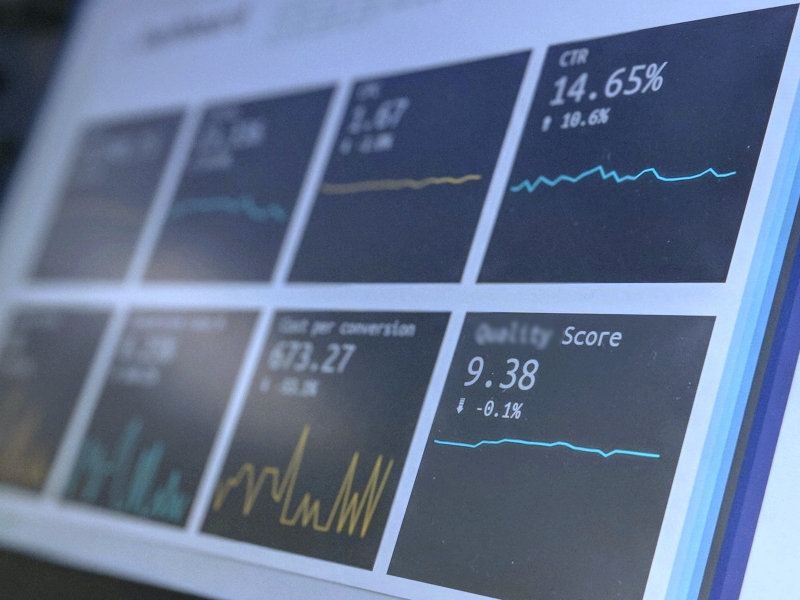
Additionally, prioritize systems that offer deep performance analytics. The best platforms track asset usage, campaign KPIs, and partner performance in real-time through intuitive dashboards, giving you insights into which assets are actually driving downloads and sales. Finally, seek out solutions with a no-code, point-and-click interface, which significantly reduces IT dependency by allowing your marketing team to set up workflows and manage the asset hub independently.
Choosing the right cloud digital asset management system requires aligning the software's capabilities with your broader enterprise architecture. If your CPG brand already utilizes specific CRM or partner community platforms, it is highly strategic to choose a DAM that offers native integration—such as a Salesforce-native application. This ensures seamless data flow between your sales records and marketing assets without costly middleware. Furthermore, evaluate the vendor's implementation speed. Choose a partner with a proven track record of deploying robust, enterprise-grade solutions in a matter of weeks or days, avoiding the months-long implementation cycles common with legacy software providers.
Fielo’s Channel Performance suite includes a powerful, Salesforce-native Digital Asset Management solution specifically designed to centralize, customize, and distribute co-branded marketing assets at scale. Trusted by massive CPG leaders like Coca-Cola CCEP, Kellogg's, Kimberly Clark, and PMI, Fielo ensures 100% brand and legal compliance across channels and teams. Our cloud DAM cuts manual effort with automation, strict governance, and no-code tools that accelerate sales velocity.
A powerful cloud digital asset management platform is not a marketing luxury; it is the operational backbone of a successful omnichannel strategy. By centralizing assets, establishing rigorous compliance, and empowering partners with self-service customization, CPG brands can eliminate the costly chaos of fragmented file sharing. Ultimately, investing in the right DAM solution protects your brand identity, accelerates global product launches, and equips your diverse network of retailers and distributors with the exact tools they need to drive measurable revenue growth.
Cloud digital asset management (DAM) is a centralized, online software platform used to securely store, organize, customize, and distribute a company's digital files—such as images, videos, PDFs, and presentations—ensuring all internal and external stakeholders have real-time access to approved content.
While basic cloud storage simply holds files, a dedicated DAM offers advanced capabilities like AI-powered metadata tagging, dynamic template customization, strict version control, and real-time analytics to track asset usage and performance.
CPG brands manage vast portfolios of products and work with extensive global networks of retailers and distributors. A DAM prevents the costly distribution of off-brand or legally non-compliant packaging and ensures campaigns launch simultaneously across all global channels.
Crucial features include role-based access controls, rule-driven automated approval workflows, centralized asset hubs, customizable pre-defined templates, and robust performance analytics to monitor downloads and distributions.
Unlike legacy on-premise systems that can take months or years, modern cloud digital asset management platforms—like Fielo's low-maintenance solutions—are designed to be deployed and scaled in a matter of days or weeks.
Yes, leading enterprise DAM platforms feature comprehensive APIs and native integrations (such as Salesforce-native architectures) that allow them to seamlessly connect with Product Information Management (PIM) systems, CRMs, and B2B ecommerce portals.
An on-premise DAM is hosted on a company's local servers, requiring heavy IT maintenance and limiting remote access. A cloud DAM is hosted remotely, offering superior scalability, lower ownership costs, and seamless access for global partners.
Costs vary based on platform scale and the partnership level required. Providers like Fielo utilize a value-based pricing model that aligns with the number of active users, transaction volume, and the necessary level of technical or agency support.
A DAM provides self-service customization tools using pre-defined templates. This allows partners to safely adjust specific elements for a local retailer while rule-driven workflows automatically lock down core brand guidelines and legal disclaimers.
The most effective use cases include executing synchronized global product launches, securely distributing co-branded marketing assets and Market Development Funds (MDF) materials to distributors, managing seasonal promotional kits, and maintaining strict version control on compliance documentation

.png)