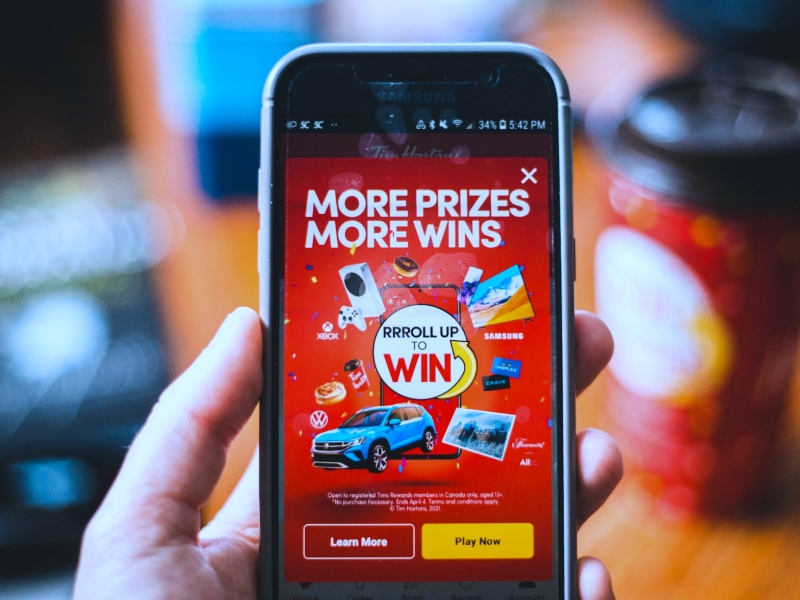
A customer loyalty program is a structured relationship marketing strategy and customer intelligence ecosystem designed to encourage repeat business and deepen emotional connections.
Launching a loyalty and rewards initiative sounds simple on paper, but the reality is that many fail to move the needle. While a well-executed strategy can turn casual buyers into lifelong brand advocates, a poorly structured one quickly becomes a drain on resources. The difference between success and failure lies in strategy. Relying on guesswork or copying competitors isn't enough; you need a structured, data-driven approach when starting a customer loyalty program. In this guide, you will learn exactly how to create a loyalty program that works, covering the core strategy, actionable steps, best practices, and the key metrics needed to measure real business growth.
A customer loyalty program is a structured relationship marketing strategy designed to encourage repeat business and deepen emotional connection. It goes beyond a simple transactional discount. Modern programs are sophisticated customer intelligence ecosystems. By offering rewards, such as points, exclusive experiences, or VIP perks, brands incentivize specific behaviors. When starting a loyalty program, the goal is to shift from treating buyers like "perfect strangers" to building personalized, long-term relationships based on shared values and mutual benefit.
The impact of a successful loyalty strategy on revenue is undeniable. Studies indicate that 63% of consumers make buying decisions based on the loyalty programs they participate in. By actively engaging your audience, you increase purchase frequency and basket size. Top-tier programs can boost annual member revenue by 15% to 25%. Furthermore, a well-designed program generates a wealth of zero-party data, allowing you to segment your audience and deliver hyper-personalized offers, which can lift cross-sell and conversion rates by 30% to 40%.
The number one reason programs fail is a lack of knowledge about the target audience. Before you create a loyalty program, you must analyze your customer base. Identify different profiles, such as "Big Spenders," reliable "Regulars," or "Unpredictables". Understand what motivates them, do they want financial savings, or do they value exclusive VIP experiences and early access? Doing behavioral research ensures your program isn't just a generic copy of a competitor's, but a tailored ecosystem that genuinely aligns with your customers' real desires.
Selecting the appropriate framework is crucial to match your audience's expectations and your business model.
For the complete overview, see our guide to rewards, levels and points.
Launching is only the beginning. A "set-and-forget" mentality leads to staleness, a major reason programs lose momentum. To keep it fresh, introduce innovation cycles with new gamified challenges, badges, and time-bound campaigns. Communication is also key: engage members regularly with personalized messages about their points balance and available rewards, but avoid excessive spam. Use the data generated to continuously refine your rules, segment your audience, and proactively prevent churn.
To prove ROI, you must track the right Key Performance Indicators (KPIs):
Avoid these frequent pitfalls that derail customer relationships:
A successful loyalty strategy requires deeply understanding your audience, choosing the right mechanics, and actively managing the program to prevent staleness. To do this efficiently, modern brands need more than basic spreadsheets; they need agile technology. Fielo offers an AI-native loyalty platform that acts as your personal Loyalty Strategist. With tools like the Fielo Loyalty Copilot, businesses can co-create tailored blueprints in minutes, reduce design cycles by up to 70%, and automate complex rules. This ensures you build an ecosystem that scales effortlessly and drives real, long-term revenue.
By researching your audience, setting clear business goals, choosing simple rules, offering meaningful rewards, and using a robust platform to manage and continuously optimize the experience.
The first steps include analyzing your customer base, defining your strategic objectives (like increasing retention or average order value), and designing a clear blueprint of the rules and rewards.
Points-based, tiered, and gamified programs are highly effective, especially when combined to offer both tangible financial value and emotional VIP recognition.
With agile SaaS platforms, deployment can take days. However, measurable changes in customer lifetime value and ROI typically become evident within a few quarters of active engagement.
By tracking active participation rates, redemption frequency, repeat purchase rates, and the overall incremental ROI the program generates.
Rewards that are meaningful, attainable, and aligned with customer lifestyles. A mix of monetary discounts and experiential perks (like early access or VIP status) works best.
Costs vary based on scale and technology, but modern cloud-based solutions offer transparent pricing based on active members, avoiding heavy upfront custom development costs.
Yes. Scalable SaaS platforms allow businesses of any size to deploy professional loyalty structures without requiring a massive in-house IT team.
Common mistakes include making rules too complex, offering irrelevant rewards, neglecting omnichannel integration, and adopting a "set-and-forget" mentality that leads to staleness.
They increase retention by consistently recognizing customers, delivering personalized offers based on zero-party data, and building an emotional connection that makes switching to a competitor far less appealing.

.png)